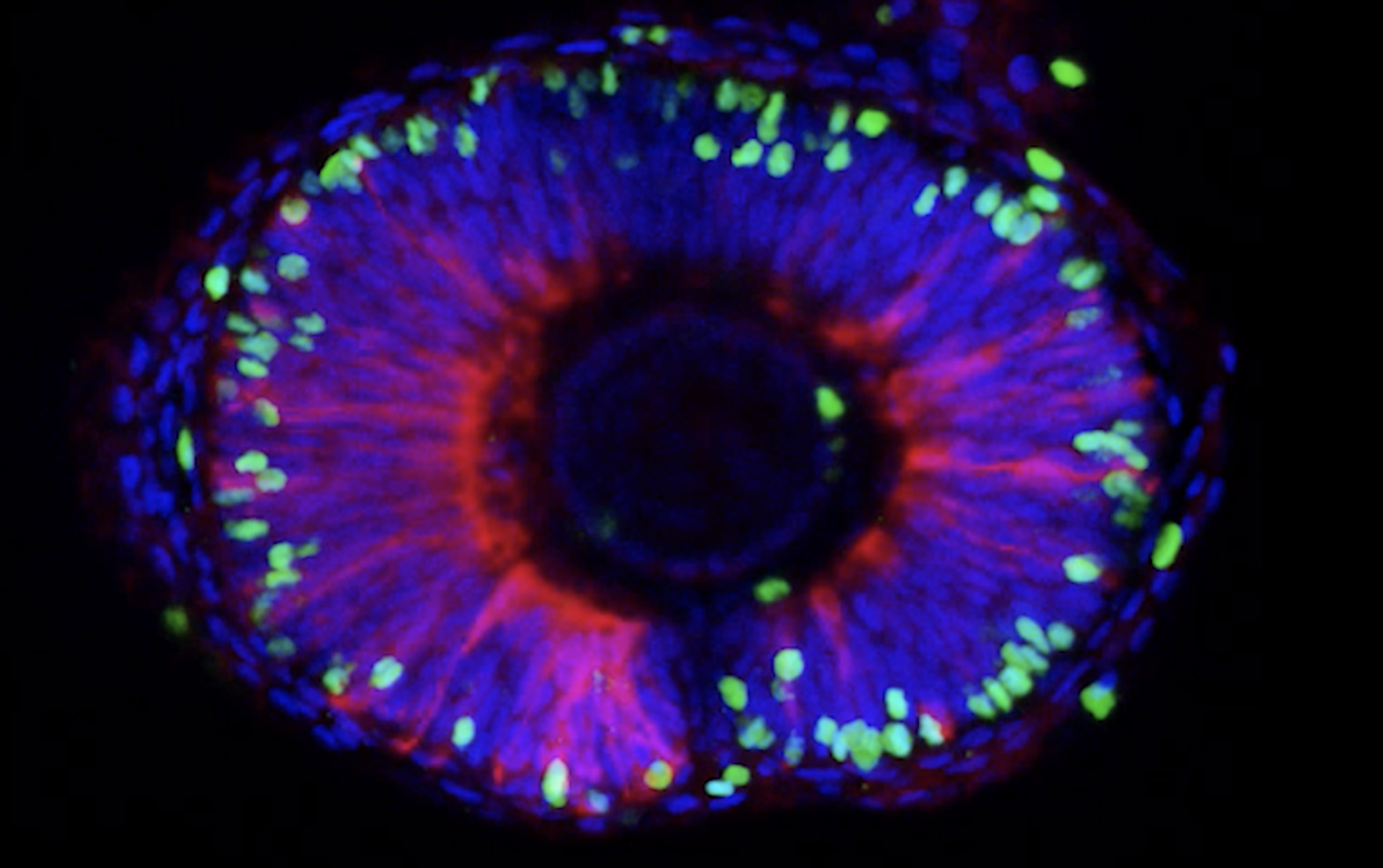
What brain circuits control predatory behaviour?
Our paper identifying a pretectal command system that induces hunting behaviour is now on @biorxivpreprint. Congratulations to @anti_paride and Mónica Folgueira.

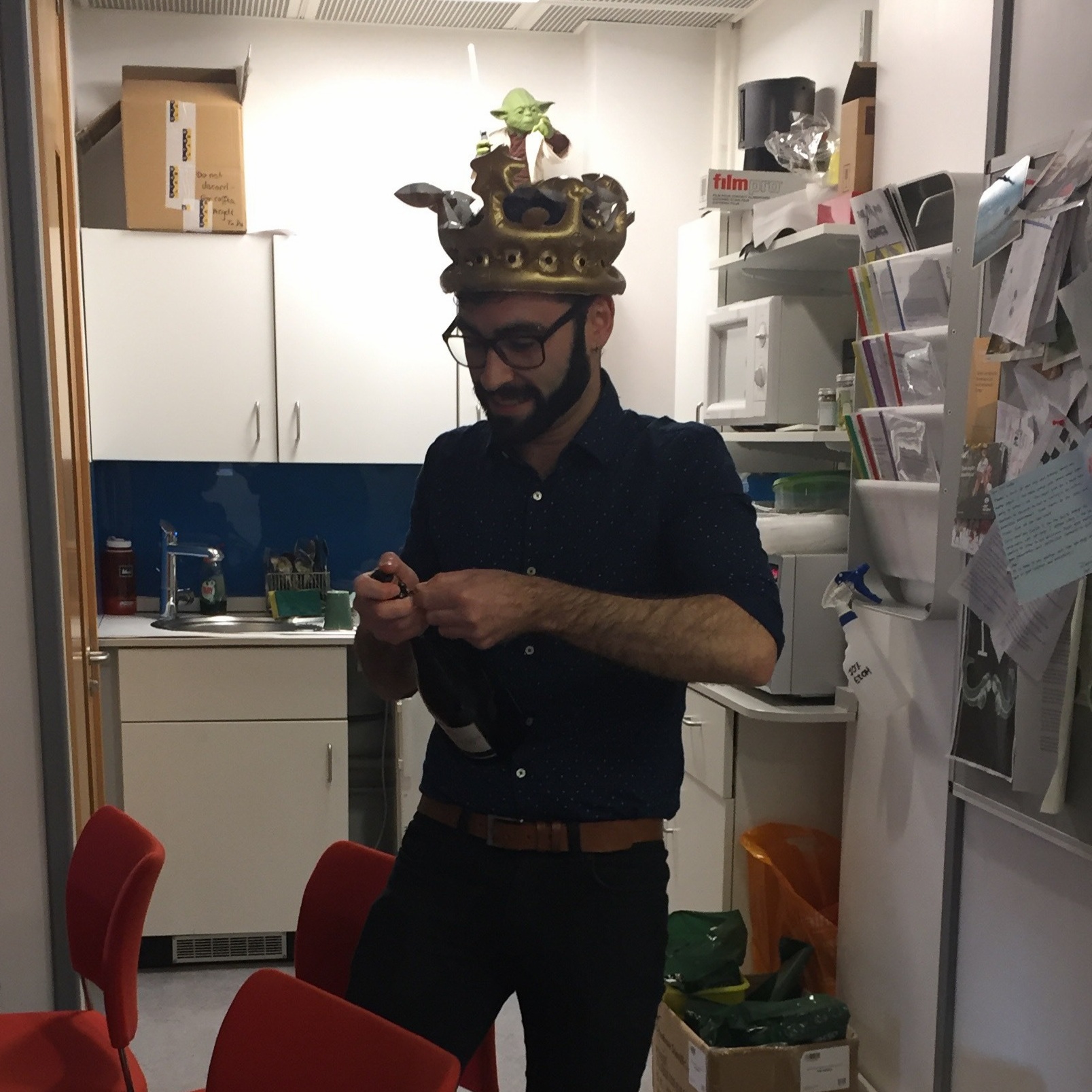
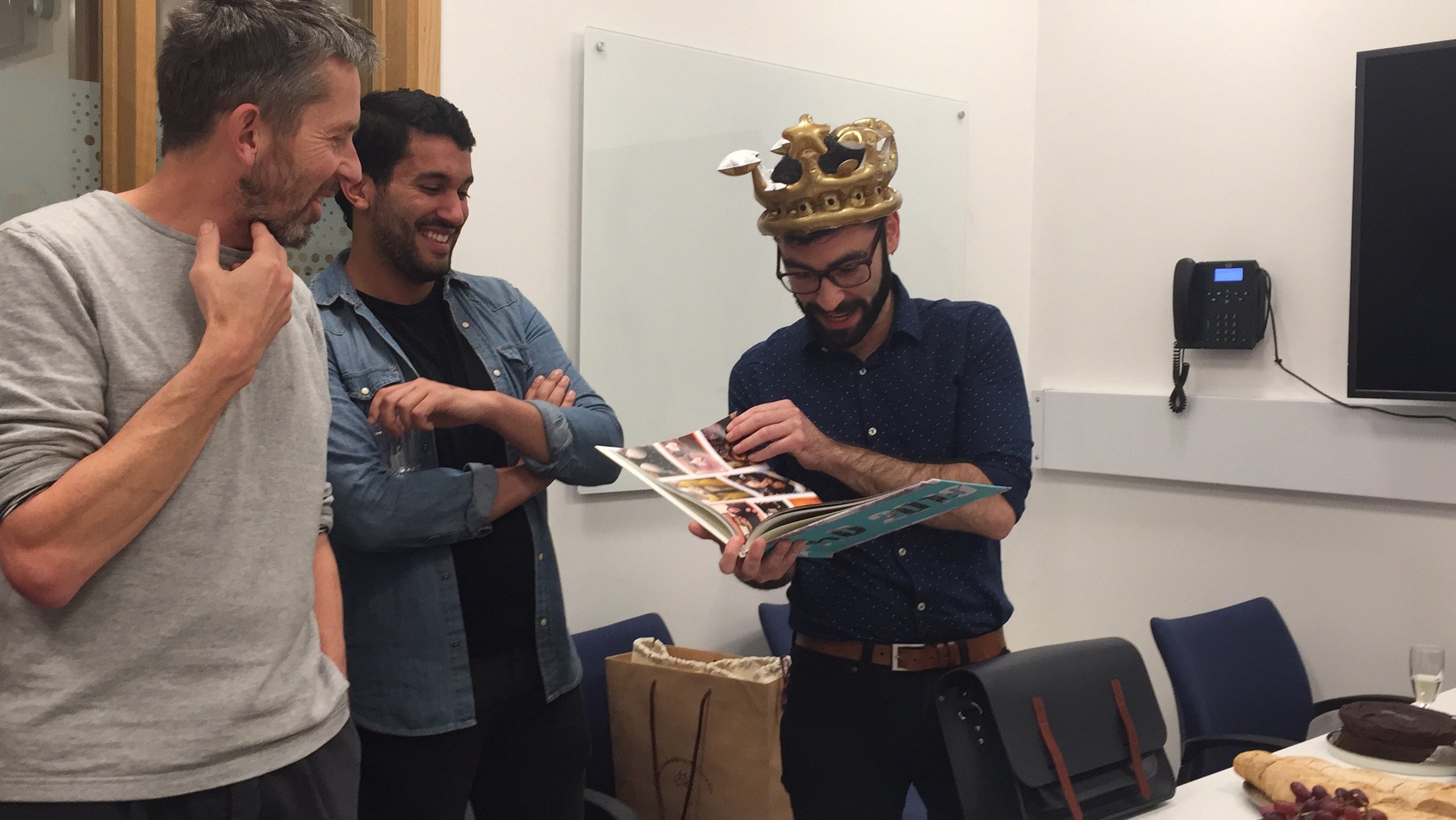
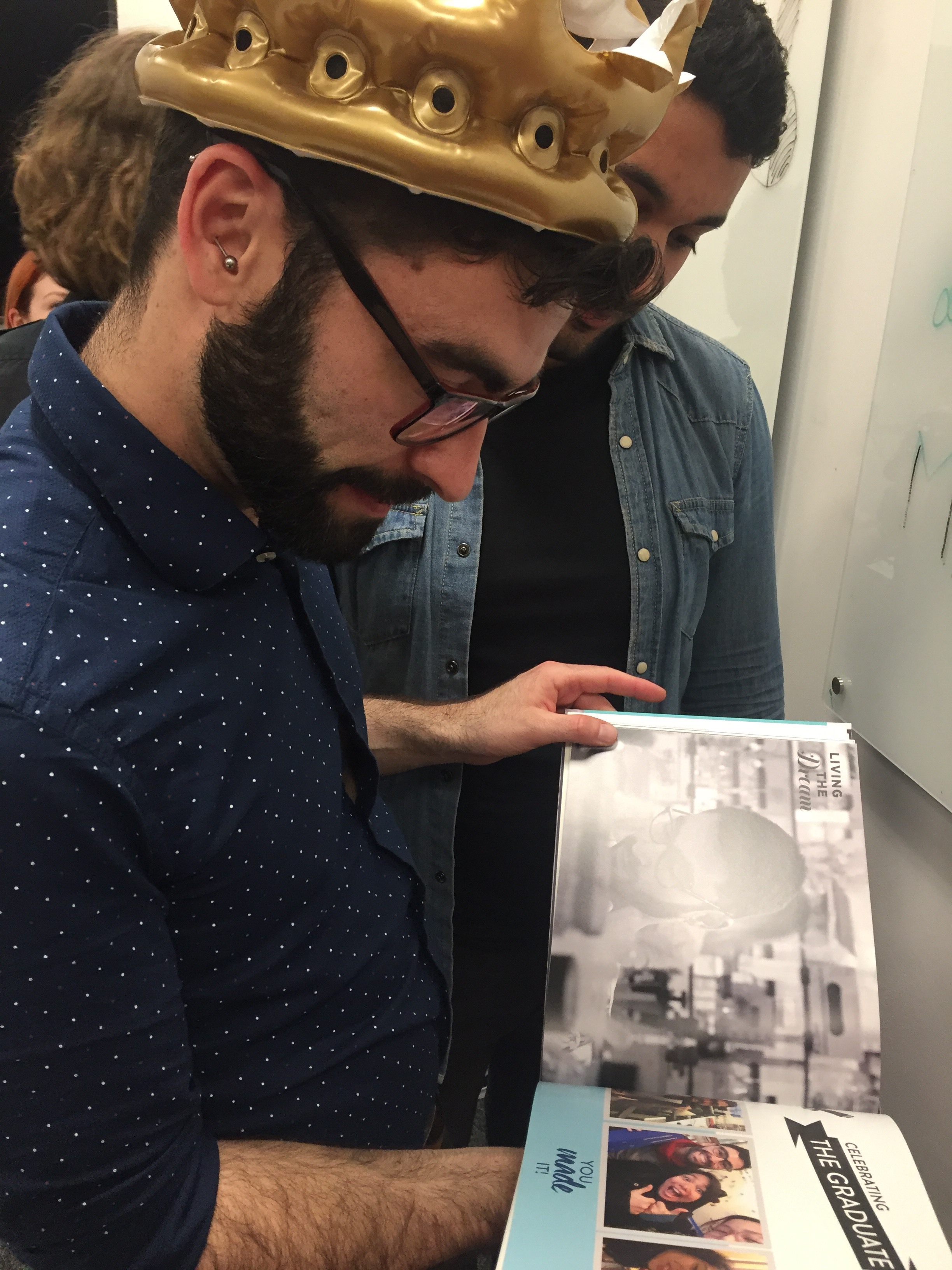
Congratulations to Renato on getting his doctorate.
Read the Elife Digest of Rodrigo’s paper, “Compensatory growth renders Tcf7l1a dispensable for eye formation despite its requirement in eye field specification” here:
https://elifesciences.org/digests/40093/eye-size-is-pre-programmed-in-zebrafish
or watch this great video for a simple explanation of Rod’s findings.
The review we wrote with Dr Kristen Severi about the cellular organisation of supraspinal circuits is already available online!
Share link providing free access until May 10, 2019: https://authors.elsevier.com/c/1Ym208nMlta80e
https://www.sciencedirect.com/science/article/pii/S2468867319300136

Congratulations to Asaph who was recently awarded a prestigious BBSRC Discovery Fellowship. It is all the more impressive because this is the first Discovery Fellowship ever awarded to any UCL researcher!
The award will allow Asaph to combine cellular resolution whole-brain functional imaging in larval zebrafish and modern machine learning techniques, to study how the brain transforms visual input to behaviour.

Follow the Wilson lab on twitter at @stevewilsonlab!

We’re all extremely proud of Pedro who by all accounts nailed his viva today [err, actually yesterday - ed]! First Bianco lab PhD… Celebrations much deserved!
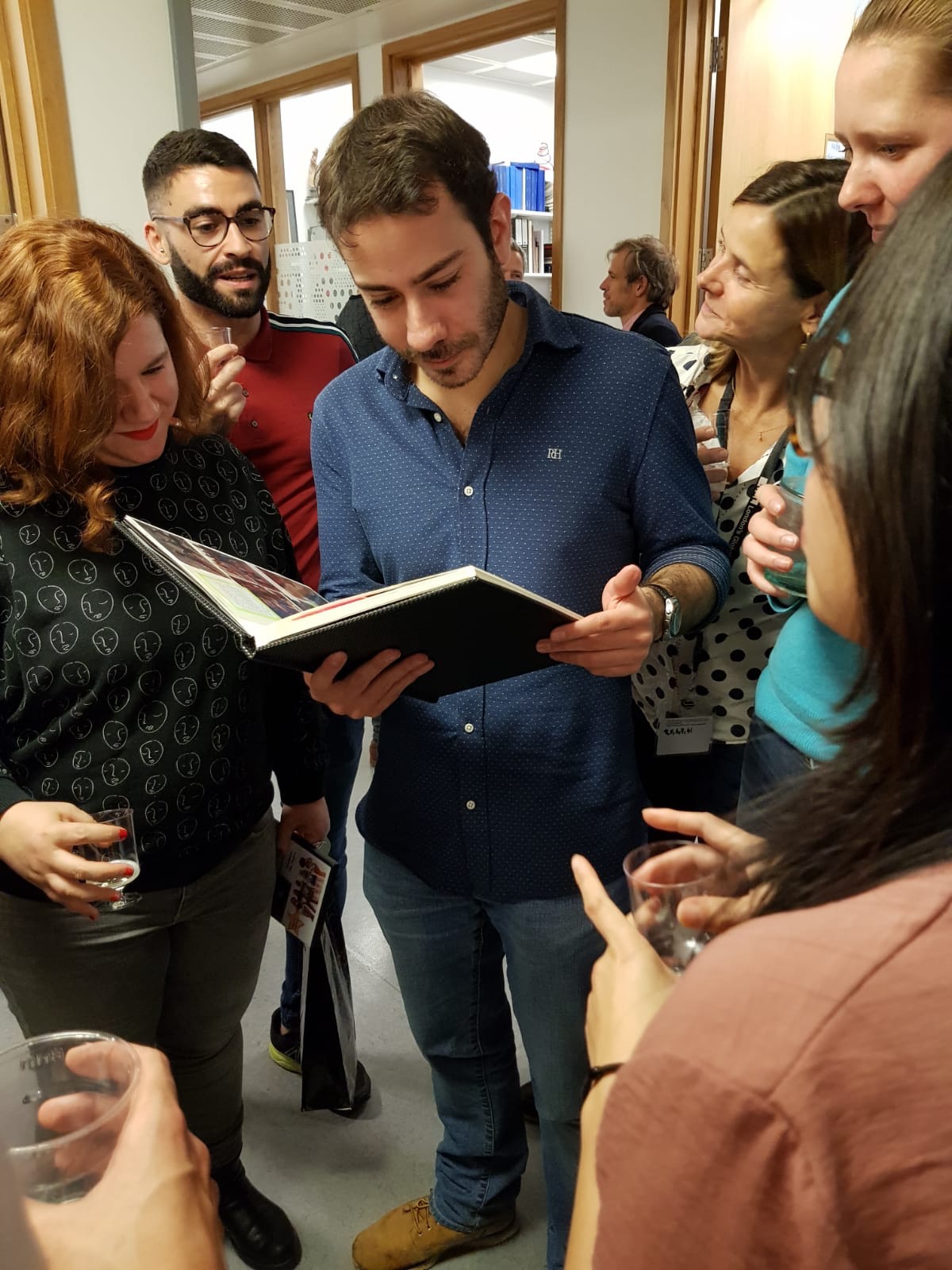


The Bianco lab are pleased to welcome Kristie, Nicole and Adam (from left to right), who will be doing their research projects with us this year.

The Bianco lab are really excited to be part of a consortium that has been awarded funding from the EC Horizon 2020 ITN scheme. Our ZENITH (ZEbrafish Neuroscience Interdisciplinary Training Hub) programme will be training 15 graduate students in interdisciplinary systems neuroscience projects investigating sensorimotor processing using larval zebrafish.
Congratulations to everyone in the consortium and especially Claire Wyart and Alexandra Chukas for coordinating it all.

Congratulations to Pedro, who handed in his PhD thesis today!

Charlie returns to start his PhD project in the lab.
Joanna attends FENS 2018
The paper entitled: "Regulation of developing myelin sheath elongation by oligodendrocyte calcium transients in vivo" and published in Nature Neuroscience in 2018 by Anna Krasnow, David Attwell and colleagues, has been shortlisted as a finalist for the MS Society Awards 2018
'In Multiple Sclerosis(MS), the myelin coating that protects our nerves is attacked by the immune system. To stop MS, we need to understand more about how myelin is made and repaired.
The researchers showed that calcium controls the development of myelin in zebrafish. High levels of calcium promoted myelin development whilst low levels prevented myelin development.
These results support further research into myelin development and repair in MS.’
Welcome to Charlie, a Wellcome Trust 4 Yr PhD student who is rotating in the lab. And also Happy Birthday to Megan!


Join Elena Dreosti at the Welcome Trust to discuss: "What makes us social?" and explore how zebrafish help her to answer this question.
Click this link to go to the Wellcome Trust website and see the details for this workshop.
Wednesday 24 January 2018
13:00-14:00
Anna Krasnow, a PhD student on the Wellcome Trust Neuroscience program, has just published her study on myelination in Nature Neuroscience. Anna, who is predominently based in David Attwell's lab at UCL, collaborated with Leo Valdivia in Steve Wilson's group on this work. The resulting paper looks at the role that calcium transients in oligodendrocytes have on the developing myelin sheath. Anna found that neuronal activity raises calcium levels in developing oligodendrocytes and that myelin sheath elongation is promoted by high frequency calcium transients.
Congratulations Anna et al on a beautiful study!
Click this link to read the accompanying News and Views piece on this study in Nature Neuroscience.

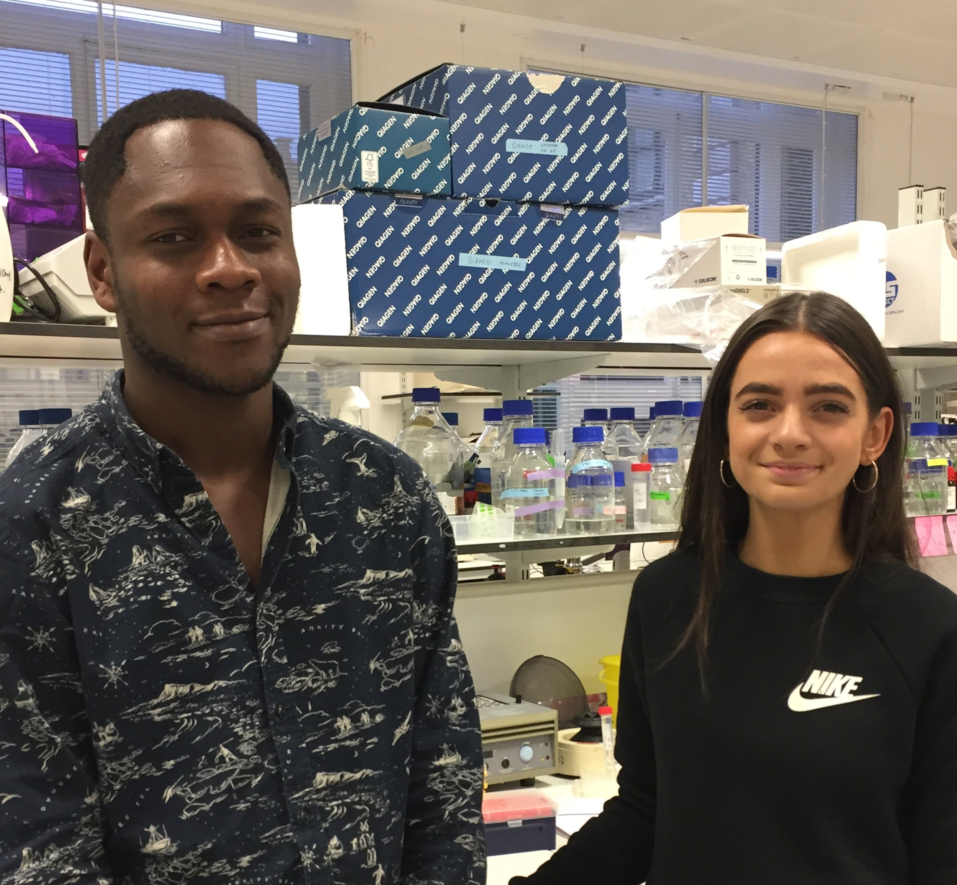
The Bianco lab are pleased to welcome two new project students for 2017-18: Holly (MSc) and Dammy (MSci).
Every year we host about 8 A Level Students from various schools and introduce them to the zebrafish as a model system. This year’s bunch was particularly lively and enthusiastic.
They explored a few standard lab techniques, such as (fluorescent) in situ hybridization ((F)ISH), they sorted embryos by phenotype into mutants and siblings and verified the genotype using PCR. Using light-, fluorescent- and confocal microscopy students analysed and documented their (F)ISH results and compared the potential uses of their applied techniques to that of transgenic animals. Finally, students had a short workshop on animal behaviour and learning including hunting, exploratory and circadian/sleep behaviour. Finally, students show-cased their results and what they learned in a presentation which led to a spirited discussion of all topics covered – and beyond. Great fun for everyone involved!
" I would just like to thank you for the incredible experience at the Wilson Lab this week. It was invaluable learning about a career in scientific research and challenging my current A level knowledge. The experience has made me feel more confident for my university interviews and has confirmed my love of science! It was extremely well structured and I am so grateful to everyone who taught us throughout the week. "


The Nvidia Corporation have generously given a hardware grant to the Bianco Lab.
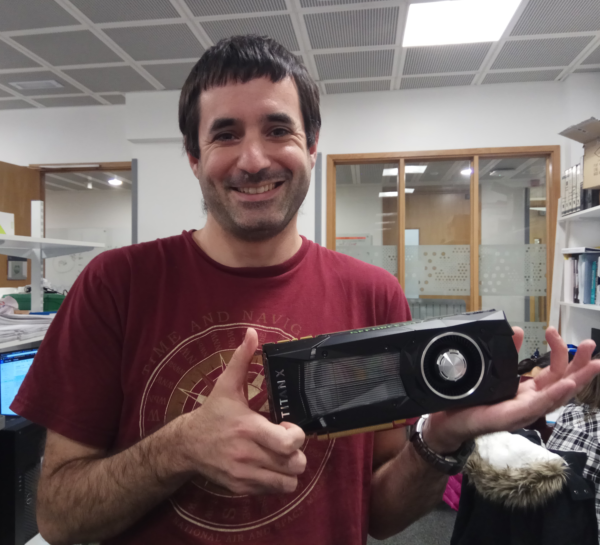
Pictured right is Asaph with the Titan Xp (the world's most powerful grahics card), which we will be using for training Artificial Neural Networks to glean insights into sensorimotor processing.