

Aanandita Kothurkar wins the prize for the best MSc GHD dissertation of the year 2021/22 – huge congratulations!
Aanandita Kothurkar wins the prize for the best MSc GHD dissertation of the year 2021/22 – huge congratulations!

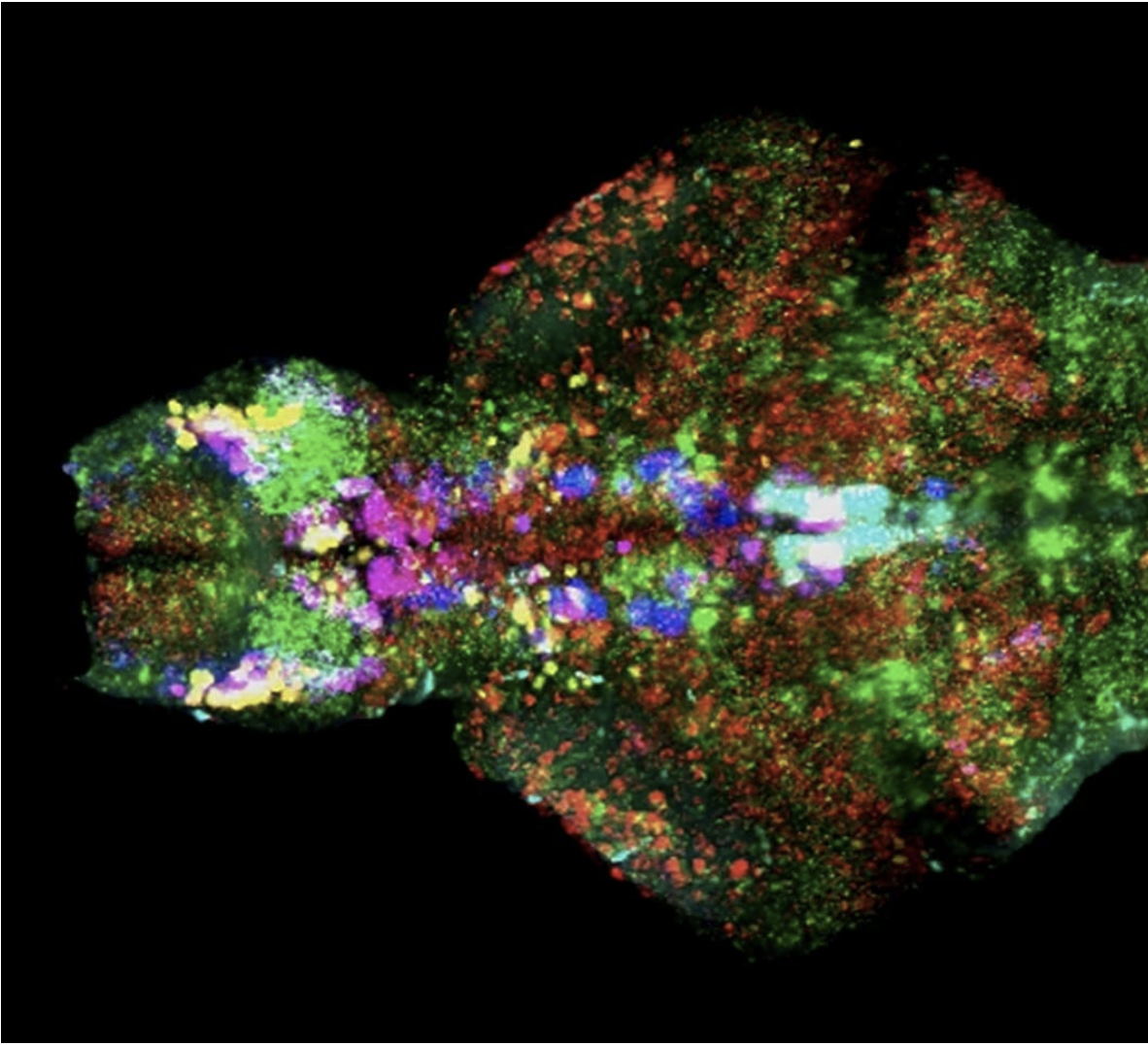
The Tuschl Lab uses manganese transporter mutant zebrafish as models for manganese overload/deficiency in order to dissect how metal dyshomeostasis disrupts neurons, synapses and circuit function with the view to identifying new therapeutic targets. In addition, we are working to develop a novel, orally bioavailable Mn chelator to improve treatment for disorders associated with Mn neurotoxicity.
This role will provide technical support and research related activities by assisting with experimental procedures and analysis of results within Zebrafish UCL (http://zebrafishucl.org/wilson-lab; http://zebrafishucl.org/tuschl). The successful applicant will assist the lab with maintenance of various zebrafish lines, working on a daily basis with adult fish. The post is available from 1 January 2024 until 31 December 2024 as a fixed term contract. For more information about the role, please contact Prof Steve Wilson (s.wilson@ucl.ac.uk) or Dr Karin Tuschl (k.tuschl@ucl.ac.uk).
Summer in London now seems to be well and truely over, but the lab did manage to get together for a lovely BBQ on the last sunny (and very hot) Saturday of the season.

Photo taken by Joanna (on a real, film camera).
The Wellcome Trust sent a film crew to the zebrafish labs to find out more about the work the Wilson and Bianco labs are doing to understand more about brain asymmetry.

The MacDonald lab went out to thank the 3 Bachelor students, Huanlin, Hiba and Nicole, who had joined the lab over the summer.

Six members of the academic staff of the Institute of Ophthalmology were promoted this year, amongst them is our PI Ryan MacDonald you got promoted to Associate Professor. Congratulations!
Click here to find out more.

Manuela Lahne, Ryan MacDonald and Gregory Patient went to the annual European Zebrafish Meeting. Gregory presented his work with Iterative Bleaching Extends Multiplexity (IBEX) which is a highly multiplexed immunohistochemistry technique which allows multiple rounds of immunohistochemistry to be performed on a single tissue sample. More information can be found here.

Welcome Huanlin, Hiba and Nicole to the MacDonald lab. We are excited that you have joined us.

We would like to welcome Dr Artur R Fernandes to the MacDonald lab. He is here as a visiting Postdoc.
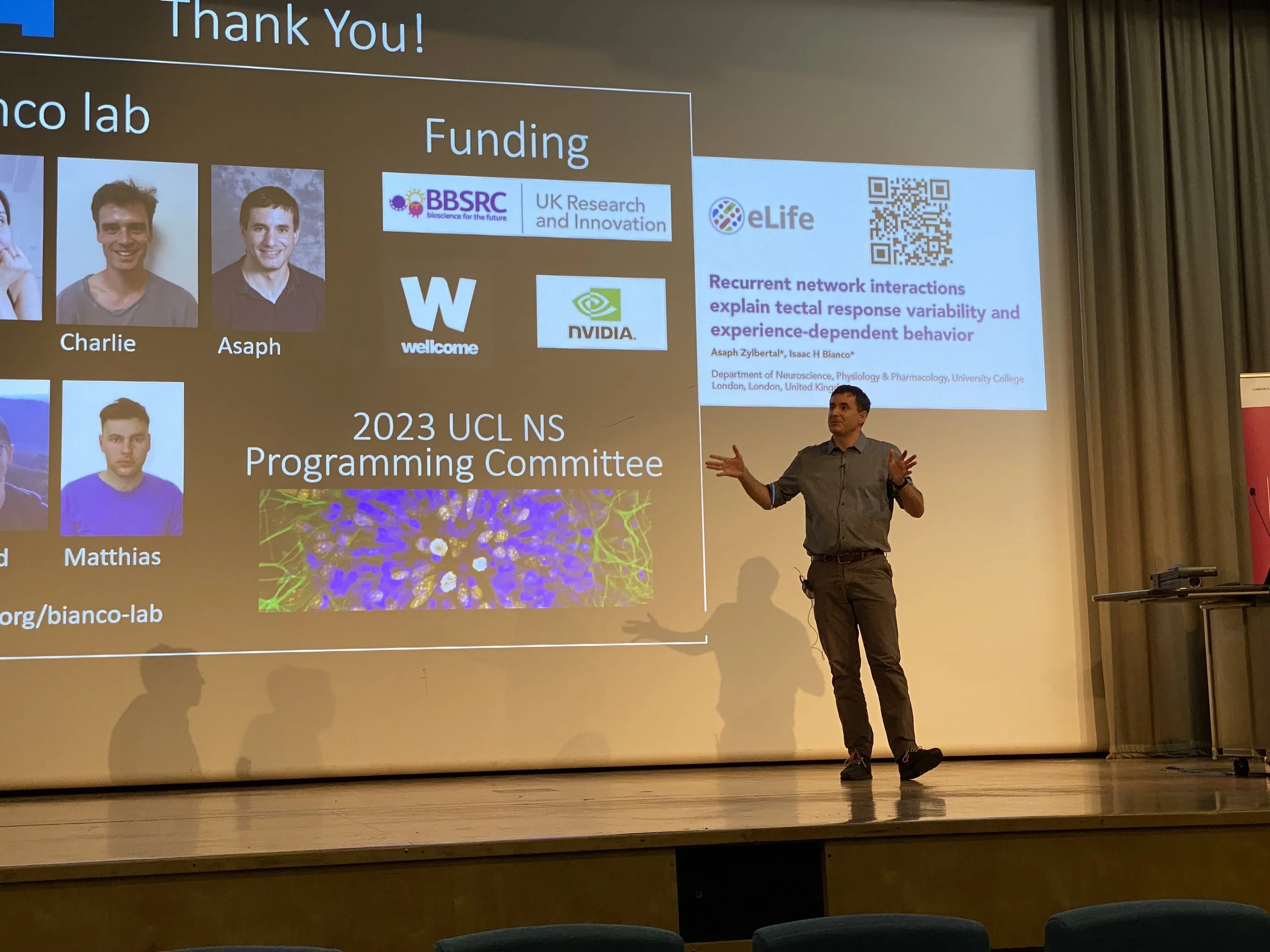
We’re really proud of Asaph Zylbertal who won the UCL Early Career Neuroscience Prize (Advanced category) for his beautiful study about how recurrent interactions in the optic tectum help explain the interactions between sensory input and the brain’s internal state.
Here’s Asaph giving his talk at the UCL Neuroscience Symposium and receiving the award from Prof Trevor Smart.
Check out the paper here: doi.org/10.7554/eLife.78381


Natalia, Manuela and Xhuljana presented posters at the annual IoO ECR Symposium. Natalia won the best communication poster award and second runner-up scientific poster award. Congratulations!

The London Zebrafish Club was hosted at King’s College this time where Manuela Lahne held a fantastic talk about “regional retinoic acid levels dictate photoreceptor specialisation”.
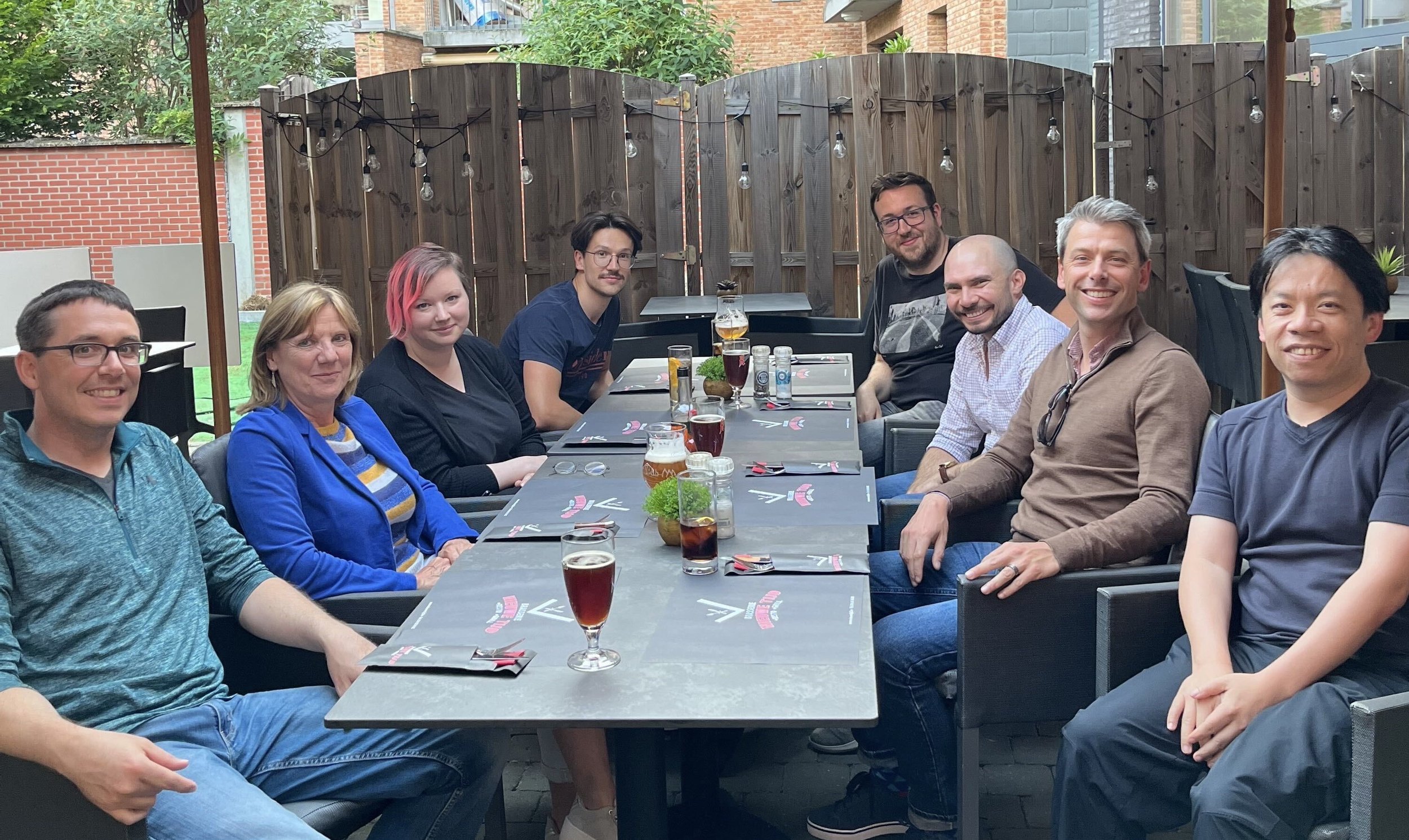
Ryan and Nicole were at the Nothobranchius conference in Leuven, Belgium with their collaborators Moons lab (Lieve, Steven and Luca), Brian Clark, Phil Ruzycki, and Chi-Kuo Hu.

Got the Cover!
A collaborative paper with old friends and past members of the Wilson lab has been published in Development. It describes that Foxd1-dependent induction of a temporal retinal character is required for visual function. The study looks at asymmetries in the eye rather than the brain … yes, they love asymmetries! https://journals.biologists.com/dev/article/149/24/dev200938/285946/Foxd1-dependent-induction-of-a-temporal-retinal
The Bianco Lab had a lot to celebrate this week. Not only was Asaph’s paper accepted, but UCL was awarded a Leverhulme Grant to support a project in the lab linking dynamic brain activity to flexible behaviour.

A celebratory dinner was very much in order!
The Tuschl lab secure funding from the UCL Therapeutic Acceleration Support to develop novel manganese chelators.

In a recent paper from the Bianco Lab, we used light-sheet calcium imaging and computational modelling to explore how activity in neural networks affects their internal state and contributes to variability in activity and behaviour.

One of our key findings is that recurrent network interactions can explain multiple aspects of tectal physiology including the structure of spontaneous activity, variability in visual encoding, and habituation of prey-catching behaviour.
Congratulations to first author Asaph Zylbertal, and check out the paper here: https://elifesciences.org/articles/78381

We are excited to share that our previous postdoc Dr. Elisabeth Kugler started her own company “Zeeks - Art for Geeks” where she combines her passion for science and art. She offers consulting on data analysis and offers beautiful high resolution images of the zebrafish retina and vasculature as science art and merchandise.
Go check it out https://zeeks-artforgeeks.com.
The Tuschl lab secure funding from Action Medical Research to Study Vitamin B6 dependent epilepsy.

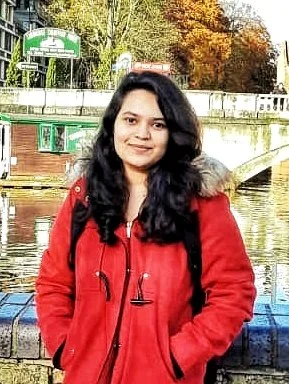
We would like to welcome our new lab technician Aanandita Kothurkar who has joined us since January from Karin Tuschl’s lab where she did a masters titled “Elucidating the role of ATP13A1 in manganese transport and neurodevelopment”.


